
5 reasons why your radishes are not forming bulbs.
*This post may contain affiliate links. This means when you click on a link and make a purchase we may earn a commission at no additional cost to you. Our goal is to provide valuable and helpful content. Any commission made can help us maintain this site and provide more quality and helpful content for our readers.*
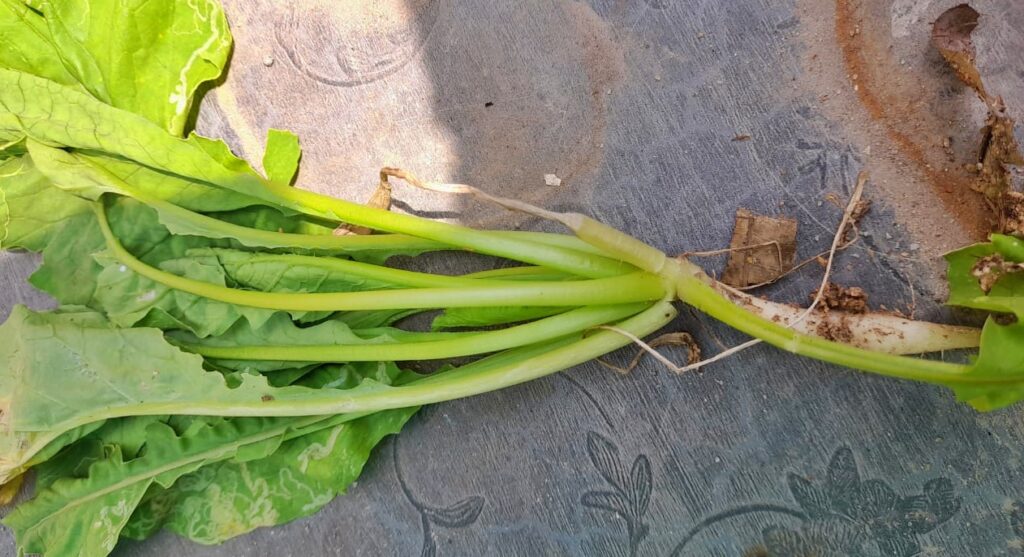
Radishes are one of the easiest vegetables to grow in your home. They germinate fast and can be harvested quickly, also they can be grown in small containers too. Here are some reasons why your radishes may not be forming bulbs.
Reasons why your radishes are not forming bulbs
1. Overcrowding.
When radishes are planted very close together, they can end up producing smaller bulbs. Smaller varieties require at least 2 inches of space, whereas larger varieties of daikon varieties need at least 4 to 6 inches of space. Unless you grow small varieties such as the white icicle, radishes require at least 2 to 6 inches of space to produce big bulbs.
2. Optimum temperature
Radishes grow best when temperatures are between 10 to 18°C. When temperatures exceed 32°C radishes start to bolt due to heat stress. This results in radish producing smaller bulbs.
3. Not enough sunlight
Radishes are cool weather crops, but they still require at least 4 to 6 hours of sunlight every day to grow well and produce big bulbs. If they do not get enough sunlight they end up producing bigger leaves and smaller bulbs.
4. Overfertilizing
In general, root crops such as radishes require more potassium and phosphorous to produce big bulbs, when they are fed with nitrogen-rich fertilisers, they end up producing more leaves and smaller bulbs. Make sure to feed your radishes with balanced fertilisers. Bone meal is the best fertilizer for root crops. Chicken manure is also rich in phosphorous. It has to be properly composted before its used as a fertilizer. Banana peels are rich in potassium, adding them in your compost can increase potassium levels in your compost. You can also chop the peels and bury them near your radishes.
5. Soil conditions
Apart from daikon radishes, most radish varieties grow best in well-draining sandy loam soil. When soil conditions are poor radishes may fail to grow in such type of conditions. Soil pH is also another reason why radishes produce smaller bulbs. Radishes don’t do well when soil is too alkaline they grow best when soil pH is between 6.0 to 7.0. Make sure to test the soil ph before planting the seeds.
If you found this article helpful, don’t forget to share. Also check out other articles below.
Read more: