
How to use seaweed fertilizer for plants.
*This post may contain affiliate links. This means when you click on a link and make a purchase we may earn a commission at no additional cost to you. Our goal is to provide valuable and helpful content. Any commission made can help us maintain this site and provide more quality and helpful content for our readers.*
Seaweed fertilizer is an organic slow-release fertilizer that is extracted from seaweed. It contains nutrients (nitrogen, potassium, phosphate and magnesium) and growth hormones (cytokinins, gibberellins, auxins) which help to increase soil fertility and plant growth. Using seaweed fertilizer helps to strengthen the plant’s roots and promotes the growth of bacteria, fungi and microbes in the soil. Here is how to use seaweed fertilizer for plants.
Leafy green vegetables, tomatoes, roses and potatoes are some of the plants that benefit from this fertilizer. However, succulents do not benefit much from this organic fertilizer. One of the disadvantages of seaweed fertilisers is that it does not contain all the nutrients that a plant needs and must be mixed with other fertilizers such as compost or bone meal before adding to the plants.
Seaweed fertilizers come in two forms namely granules and liquid fertilisers.
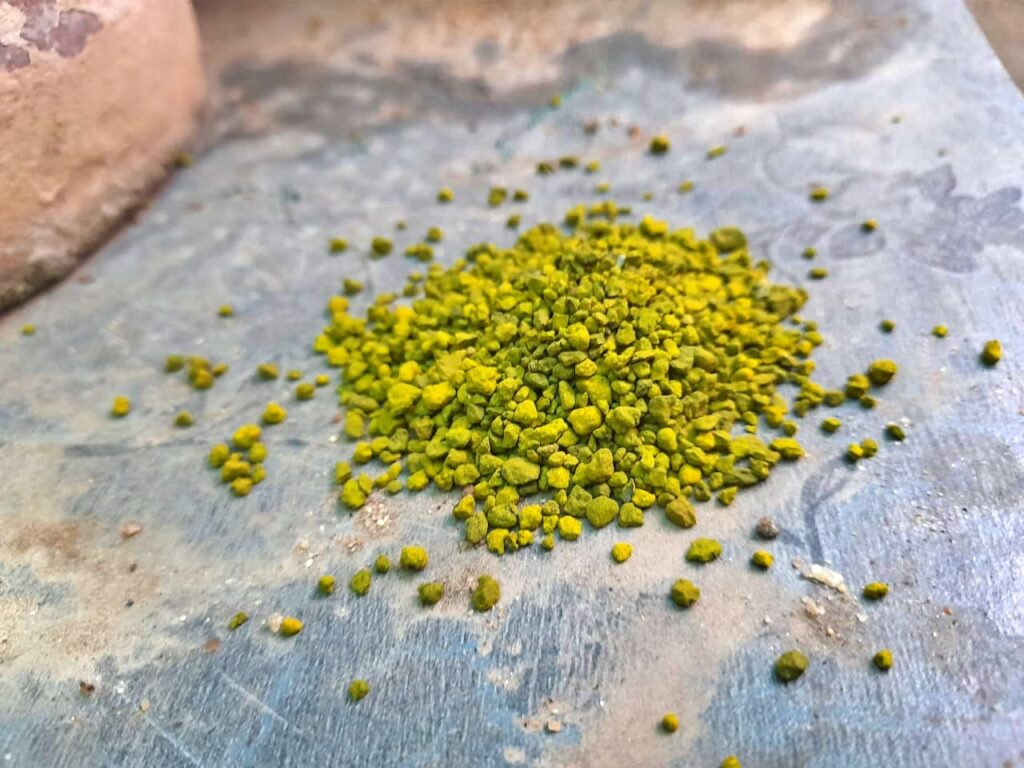
How to use seaweed fertilizer for plants
Granular: You can mix 1 to 2 tablespoons of seaweed granules in your potting mix before planting anything. You can also fertilize your plants with granules by digging a few inches adding 1 to 2 tablespoons of seaweed granules and covering it with soil.
Liquid: Liquid fertilizers are easily absorbed by plants. Simply mix 3ml with 1 litre of water. If you are taking 1 gallon of water mix 4 tablespoons of seaweed liquid fertilizer.
How often to use seaweed fertiliser
You can add this fertilizer to your plants once a month.
You may also like: How to use coffee grounds in your garden
You may also like: How to use eggshells in your garden